
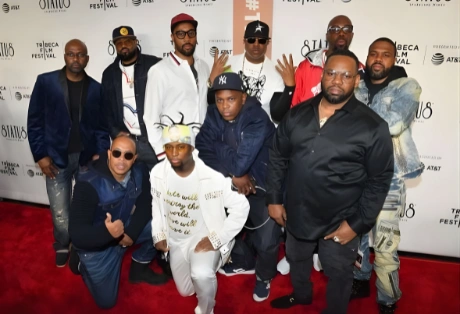
The Wu-Tang Clan isn’t just a rap group—it’s a cultural force, a universe of personalities, stories, and legends that has shaped hip-hop for decades. Most fans know the stage names: RZA, GZA, Method Man, Ol’ Dirty Bastard, and the rest. But have you ever wondered what names lie beneath the iconic personas? The truth is, every member carries a real name, and often a dozen nicknames, each with its own story.
These real names—like Robert Fitzgerald Diggs, Gary Grice, and Russell Tyrone Jones—reveal the human side of these larger-than-life figures. Beyond that, nicknames, early aliases, and fan-created monikers add layers of identity, reflecting their creativity, personality, and the mythology they’ve built over the years. From childhood nicknames to studio-inspired pseudonyms, each name tells a story, traces a journey, or marks a moment in hip-hop history.
Exploring the Wu-Tang Clan members’ real names is like peeling back the layers of a complex and vibrant tapestry. It’s not just about the names themselves—it’s about understanding the people behind the music, the evolution of their art, and the playful, creative world they inhabit. Whether it’s RZA the Abbot, Ghostface Killah, or Raekwon the Chef, every alias offers a glimpse into a life shaped by talent, struggle, friendship, and a relentless pursuit of greatness.
In this guide, we’ll journey through each member’s real name, aliases, and fan-inspired nicknames, presenting hundreds of variations in a story-like, engaging style. By the end, you’ll see the Wu-Tang Clan not just as legends of hip-hop, but as multi-dimensional personalities whose identities are as fascinating as their music.
RZA – The Abbot of Names
When it comes to the Wu-Tang Clan, RZA is more than just a producer or rapper—he’s the strategist, the spiritual guide, the architect of the Shaolin sound. But behind the stage persona “RZA” lies a rich tapestry of real names, nicknames, and aliases that chart his journey from Robert Fitzgerald Diggs to hip-hop legend.
Born as Robert Fitzgerald Diggs, he was known simply as Robert, Bobby, or even Robby among family and childhood friends. In school, some classmates called him Bobby D, or just Diggs, a playful nod to his last name. Early in his career, he experimented with the moniker Prince Rakeem, a name that hints at both youthful ambition and artistic exploration. As he moved deeper into the hip-hop scene, the legendary RZA, sometimes written as Rzarector, emerged—a name that blends creativity, mystique, and philosophical undertones.
But the story doesn’t end there. Fans and collaborators have affectionately referred to him as The Abbot, Ruler Zig-Zag-Zig Allah, Bobby Diggs, or even Robert F. Diggs in liner notes and interviews. In street circles and casual conversations, nicknames like Diggy, Rakeem D, or Bobby Digs surfaced, showing how versatile and layered his identity has always been. Some rare references include playful titles like Zig-Zag Abbot, The Shaolin Master, or simply RZ, each reflecting a different facet of his personality—creative, disciplined, spiritual, or mischievous.
From the halls of his childhood home to global stages, every variation of RZA’s name tells a story. Whether it’s Robert, Bobby, Diggs, Prince Rakeem, or The Abbot, these names trace the evolution of a man whose artistry shaped an entire generation. In exploring his many identities, we see not just the legend RZA, but the human being, multifaceted and endlessly intriguing.
GZA – The Genius Behind the Lyricism
Known as the cerebral force of the Wu-Tang Clan, GZA is the mastermind behind razor-sharp lyrics and profound storytelling. But behind the stage name lies a world of real names, nicknames, and creative aliases that illustrate both his intellect and artistic journey.
Born Gary Grice, he was simply Gary, or sometimes G. Grice, to family and childhood friends in Brooklyn. In school and early neighborhood circles, he could be heard as Gricey, G-Man, or even Little G, nicknames that hinted at his quiet intelligence and reflective nature. As his musical prowess grew, he adopted the iconic GZA, also celebrated as The Genius, a title that perfectly encapsulates his sharp wordplay and philosophical lyrics.
Over the years, fans and collaborators have affectionately used a range of names for him: Liquid Swords, referencing his classic album; G. Grice, a more formal nod; The Grandmaster, highlighting his commanding presence on the mic; and even playful monikers like Gary G, Genius G, or Lyricist G, which occasionally pop up in interviews or fan discussions. In rare instances, creative fans or underground circles have called him The Wordsmith, Liquid G, or simply G—each name reflecting a different shade of his persona, from scholar to street poet.
Even in casual conversation, the variety of names is remarkable. Gary, G, G-Man, Gricey, Genius, Liquid Swords, Lyricist G, or The Grandmaster—all of these aliases trace the evolution of a man whose intellect and creativity have defined not just the Wu-Tang Clan, but an entire era of hip-hop. Exploring these names is like navigating the chapters of his life, from humble beginnings to lyrical legend, showing that every alias adds depth, dimension, and a touch of mystique to GZA’s enduring legacy.
Ol’ Dirty Bastard – The Wild Card
Ol’ Dirty Bastard—known simply as ODB—was the unpredictable, larger-than-life presence of the Wu-Tang Clan, a man whose personality and artistry were as chaotic as they were magnetic. Behind the stage persona lies Russell Tyrone Jones, a name that grounds the legend in human reality, even as his aliases explode into playful and outrageous creativity.
In his early life, friends and family knew him as Russell, Russ, or Tyrone. Schoolmates might have called him R.J. or Big Russ, while childhood nicknames like Little R or Lil Ty occasionally surfaced. But as he entered the hip-hop scene, the world quickly knew him as Ol’ Dirty Bastard, a moniker that perfectly captured his wild, raw energy. Over time, fans, collaborators, and friends gave him countless other affectionate or humorous names: Dirt McGirt, Big Baby Jesus, ODB, Dirty, and simply ODB-Russ, each reflecting different facets of his mercurial persona.
Even within the streets and early mixtape circles, nicknames like Russell D, Big R, R.J. Dirty, or ODBizzle floated around, showing the sheer creativity of those who followed his every move. Rarely, he was referred to as Dirty Bastard, Baby Biggie ODB, or even playful riffs like ODB the Legend and Russ the Rebel—names fans coined to celebrate his fearless unpredictability.
From home to studio to stage, each name tells a story. Russell, Russ, Tyrone, Big Russ, Little R, Lil Ty, Ol’ Dirty Bastard, Dirt McGirt, Big Baby Jesus, ODB-Russ, R.J. Dirty—all of these aliases chart the journey of a man who refused to be boxed in. They reflect not just his persona on stage but the humanity, humor, and chaos that made Ol’ Dirty Bastard an unforgettable icon, a wild card whose legacy lives on in every rhyme, nickname, and memory.
Method Man – The Smooth Operator
Among the Wu-Tang Clan, Method Man stands out as the smooth, charismatic, and effortlessly lyrical force whose presence commands attention. Behind the stage persona is Clifford Smith, a name that carries both grounding and intimacy, contrasting with the boldness of his hip-hop identity.
In his early life, friends and family knew him simply as Clifford, or Cliff for short. Schoolmates occasionally called him C.S., Little Cliff, or even Cliffy, reflecting the playful side of his personality. As he entered the music scene, he adopted the stage name Method Man, which immediately became synonymous with lyrical precision, style, and charisma. Fans and collaborators have also affectionately referred to him by several other aliases: Johnny Blaze, Tical, Method, or Cliff Smith, each representing a different shade of his artistry.
Even in casual or street circles, nicknames like Clifford C, Johnny M, Blazin’ Cliff, or M-Method emerged, highlighting his versatility and influence. Some rare playful monikers include The Methodical Man, Cliff the Lyricist, or simply Tical the Great, showing how fans and friends celebrated both his music and his personality. In interviews and liner notes, you might also spot references to C. Smith, Methodical Clifford, or Blaze Man, each name reinforcing his multifaceted identity.
From childhood to stage, every name tells a story. Clifford, Cliff, C.S., Cliffy, Method Man, Tical, Johnny Blaze, M-Method, Blazin’ Cliff—each alias traces the evolution of a man who effortlessly balances authenticity, style, and lyrical genius. These names not only map the journey of Method Man’s career but also reveal the human behind the legend—a man whose smooth delivery and dynamic presence have made him one of Wu-Tang’s most iconic figures.
Raekwon – The Chef of Words
Known for his masterful storytelling and culinary metaphors, Raekwon is the lyrical chef of the Wu-Tang Clan. Behind the stage name lies Corey Woods, a name that grounds the legend in reality while the aliases and nicknames add flavor to his artistic persona.
In his early life, friends and family knew him simply as Corey, or sometimes Cor, while close companions might have called him Woods, Little C, or C.W. On the streets and in his neighborhood, nicknames like Big C, C-Note, or Corey D occasionally surfaced, reflecting both his personality and emerging presence. When he began rapping, the iconic name Raekwon became his professional identity, evoking both power and precision in his lyrical craft.
Beyond Raekwon, fans and collaborators have affectionately referred to him by countless other aliases: Raekwon the Chef, Lex Diamond, R.A.E., or simply Chef, each representing a unique facet of his artistry. In rare interviews or fan discussions, playful variations like Corey the Wordsmith, Woods the Lyricist, C-Flow, or Chef Raekwon appear, reflecting admiration for both his talent and creativity. Some street or mixtape-inspired nicknames include Lex the Great, Big Chef, Rae-Dizzle, or Corey D. Woods, emphasizing his multi-layered persona.
Even casual references showcase the richness of his identity: Corey, Cor, Woods, Big C, C-Note, Raekwon, Chef, Lex Diamond, R.A.E., or Rae-Dizzle—each name tells a story of growth, skill, and dedication. Exploring these names is like following the recipes of his life, blending real-life roots with the artistry that defines him. Every alias adds a layer to the legend, demonstrating why Raekwon remains an essential, flavorful ingredient in the Wu-Tang Clan’s enduring legacy.
Ghostface Killah – The Emotional Lyricist
If Wu-Tang Clan’s music is a tapestry of voices, Ghostface Killah is the thread that weaves raw emotion and vivid storytelling into every song. Behind the iconic stage name lies Dennis Coles, a name familiar to family, friends, and early collaborators, yet it represents only one dimension of his multifaceted identity.
As a child and teenager, he was Dennis or Denny to family, while friends occasionally called him Coley, D.C., or Little D. In his neighborhood, nicknames like Dee, Big D, or Denny-Circus emerged, reflecting playful, affectionate aspects of his personality. As he stepped onto the stage, the name Ghostface Killah instantly captured attention—a persona both enigmatic and intensely expressive.
Over time, a host of other aliases appeared, blending creativity and admiration: Tony Starks, a nod to comic book flair; Ghost, a shorthand often used by fans; Pretty Toney, reflecting swagger and style; or D. Coles, formal yet understated. In interviews, liner notes, and casual mentions, fans and collaborators occasionally refer to him as GFK, Ghosty, Dennis the Lyricist, or Tony G, each variation highlighting a unique aspect of his artistry. Street or fan-inspired nicknames like Ghostface D, Pretty G, Cole the Storyteller, or Denny Ghost add even more layers, capturing both his musical genius and personal charisma.
From Dennis and Denny to Ghostface Killah, Tony Starks, Pretty Toney, GFK, and beyond, each name charts a chapter of his journey—from Brooklyn streets to global stages. Exploring these countless identities is like listening to his music: rich, layered, and emotionally resonant. Every alias tells a story, and together they reveal the human behind the legend, the man whose voice continues to captivate and inspire fans around the world.
Inspectah Deck – The Strategic Wordsmith
Within the Wu-Tang Clan, Inspectah Deck is the sharp, precise, and strategic lyricist whose verses construct intricate layers of storytelling. Behind this stage persona lies Jason Hunter, a name that anchors the legend in reality, though his many aliases reveal the full depth of his artistic identity.
Growing up, friends and family called him Jason, or simply J. Hunter. In school and early street circles, nicknames like Jay, J-Hunt, Little Deck, or Decky emerged, hinting at both his approachable nature and budding confidence. When he joined the Clan, the stage name Inspectah Deck came to life—a moniker that conveys keen observation, intelligence, and lyrical mastery.
But that’s just the beginning. Fans and collaborators have used a range of affectionate or descriptive names: Deck, Rebel INS, Inspektah Deck, J. Hunter, or simply The Deckster. In casual conversation, playful variations like Deck the Architect, Jay D, Hunter the Lyricist, or Decky INS appear, showing how fans creatively celebrate his precision and wit. Rarely, he’s referenced as Inspector Deck, J. H. Deck, or even Rebel Deck, names that hint at both his role as a wordsmith and his personal charisma.
Even in the streets, aliases like Little J, Decky the Great, or Deck INS flourished among early collaborators, reflecting respect for his craft and recognition of his quiet but powerful presence. Jason, J. Hunter, Jay, Deck, Decky, Inspektah Deck, Rebel INS, The Deckster—all of these names map the evolution of a man whose lyricism is as meticulous as it is memorable. Through these countless identities, Inspectah Deck proves that his words are not just spoken but strategically placed, leaving an enduring impact on Wu-Tang’s legacy and hip-hop history.
U-God – The Deep-Voice Icon
Among the Wu-Tang Clan, U-God is instantly recognizable for his commanding presence, deep voice, and rhythmic delivery. Behind the stage persona lies Lamont Jody Hawkins, a name that grounds the legend in reality, while his aliases and nicknames bring dimension to his artistry and character.
In his youth, friends and family simply called him Lamont, or sometimes Jody. Early nicknames included L.J., Big L, or Little Hawk, playful monikers that reflected his personality and community ties. As he entered the world of hip-hop, the stage name U-God emerged—a title exuding power, authority, and mystique.
But fans and collaborators have affectionately created countless other aliases over the years. These include Golden Arms, a nod to strength and presence; U-God Almighty, reflecting his elevated stage persona; Lamont Hawkins, formal yet intimate; and even casual nicknames like Jody Hawk, L-God, U-Hawk, or simply Hawkins. In street circles, mixtapes, and fan discussions, variations like Lamont the Lyricist, Golden U, Big Lam, God U, or U-God Lamont occasionally appear, each highlighting different facets of his character.
Even minor, playful monikers like U-Hawk Almighty, Lamont G, or Golden Hawk have been used by fans and peers, emphasizing his versatility and enduring presence in the Wu-Tang legacy. Lamont, Jody, L.J., Big L, Little Hawk, U-God, Golden Arms, U-God Almighty, Hawkins—all of these names tell a story of evolution, respect, and artistry. Each alias reflects a unique chapter of a man whose voice resonates with authority, charisma, and history, making U-God one of the most unforgettable figures in the Wu-Tang Clan.
Masta Killa – The Silent Assassin
In the Wu-Tang Clan, Masta Killa is the calm, deliberate, and precise lyricist whose words cut through beats like a blade. Behind this enigmatic stage name lies Elgin Turner, a name that grounds his identity, while the variety of aliases and nicknames surrounding him reveal the layers of his persona.
From childhood and adolescence, friends and family called him Elgin, or sometimes simply E. Turner. Among peers, he occasionally went by Little E, Big El, or even Noodles, a nickname that would later gain legendary status within Wu-Tang circles. As he stepped into the spotlight, the name Masta Killa became synonymous with precision, patience, and lyrical mastery.
Fans, collaborators, and street circles added countless other affectionate or descriptive names over time: Silent Assassin, emphasizing his understated power; Master Killa, a subtle variation; Elgin the Lyricist, highlighting his craft; or simply Noodles, a nod to his playful side. Rare or creative monikers include E-Killa, M.K. Turner, Elgin Masta, and Silent E, all reflecting facets of his calm yet impactful presence.
Even casual, playful references appear in fan discussions and mixtapes: Noodles the Great, Elgin the Master, MK the Wordsmith, or Masta E, showing the range of ways his persona is celebrated. Each name, from Elgin and E. Turner to Masta Killa, Silent Assassin, Noodles, and MK, tells a story of growth, skill, and the quiet intensity that defines him.
Through these countless identities, Masta Killa exemplifies the art of subtle power. Every alias contributes to a narrative of mastery and precision, revealing a man who may be silent in demeanor but resonates loudly through his lyrics, ensuring his place as one of the most respected members of the Wu-Tang Clan.
Cappadonna – The Affiliate Turned Core Member
Cappadonna may have joined the Wu-Tang Clan later than the original members, but his presence quickly became essential. Known for his smooth flow and complementary style, he brings both charisma and street wisdom to the group. Behind the stage name lies Darryl Hill, a name that anchors the legend in reality, while his multitude of aliases and nicknames illustrate his creative persona.
In his early life, friends and family called him Darryl or D, while some classmates referred to him as Hill, Big D, or even D-Rock. As he stepped into the music scene, the moniker Cappadonna became his professional identity—a name both memorable and steeped in Wu-Tang mythology. Fans and collaborators also created countless affectionate or descriptive aliases: Cappachino, a playful twist; Cappa, a shorter, familiar version; Don Cappadonna, reflecting his respect in hip-hop circles; or simply Darryl Capp, merging his real name with his stage persona.
Even casual or street-inspired nicknames appeared over time: D-Hill, Cappa Supreme, Cap the Lyricist, Cappa D, Don D, and Darryl the Chef, celebrating his flow and contribution to the Clan. Rare variations in fan communities include Cappa Don, Cappadill, Big Cappa, and Hill the Wordsmith, each reflecting admiration and playful creativity.
From Darryl and D to Cappadonna, Cappa, Cappachino, Don Capp, and D-Hill, each name traces a chapter of his journey—from a dedicated affiliate to a full-fledged, indispensable member of Wu-Tang. Exploring these identities offers insight not only into the artist himself but also into the collaborative, imaginative world of Wu-Tang, where every alias tells a story and every name contributes to the legend.
Beyond the Stage – Fan-Created and Pop Culture Nicknames
The Wu-Tang Clan is more than a group of rappers—it’s a cultural phenomenon. Beyond official stage names and real names, fans have created countless nicknames, playful aliases, and pop culture references that celebrate the personalities and legacies of each member. These names show just how deeply Wu-Tang resonates with listeners, inspiring creativity in ways the members themselves may never have imagined.
RZA becomes The Abbot, Ruler Zig-Zag-Zig Allah, Bobby Diggs, or simply RZ, while GZA is celebrated as The Genius, Liquid Swords, G. Grice, or Grandmaster G. Ol’ Dirty Bastard inspires fan nicknames like Dirt McGirt, Big Baby Jesus, ODB-Russ, or the playful B.B.J., highlighting his wild, larger-than-life persona. Method Man is affectionately called Johnny Blaze, Tical, Cliff the Lyricist, or M-Method, showing his versatile appeal.
Raekwon the Chef sparks creativity with names like Lex Diamond, R.A.E., Corey the Wordsmith, or Chef Raekwon, while Ghostface Killah inspires Tony Starks, Pretty Toney, Ghosty, or Dennis the Lyricist, each reflecting his emotional, storytelling depth. Inspectah Deck fans craft aliases like Deck the Architect, Rebel INS, Jay D, or Decky INS, emphasizing his precise lyrical skill. U-God becomes Golden Arms, U-God Almighty, L.God, or Lamont the Lyricist, resonating with his commanding voice. Masta Killa draws nicknames such as Silent Assassin, Noodles, E-Killa, or MK the Wordsmith, while Cappadonna inspires Cappachino, Cappa Supreme, Don Capp, or Big Cappa.
Even casual fans invent combinations: RZA the Genius, ODB the Chef, Ghost Deck, Raekwon Starks, or Method Hawk, blending real names, stage names, and creativity. These fan-generated names create a living mythology, a community of shared references that keeps the Wu-Tang legacy alive. Each alias tells a story, celebrates the artistry, and proves that the Clan’s impact goes far beyond music—it thrives in imagination, memory, and culture.